
Introduction: The Cornerstones of Modern Civilization
Industries are the lifeblood of contemporary society. They underpin economic strength, shape global trade, and influence the standard of living across nations. From humble origins rooted in craftsmanship and agriculture to today’s sprawling networks of automated manufacturing and digital services, industries have transformed not just economies, but entire ways of life. In an era marked by rapid technological innovation, environmental responsibility, and global interconnectivity, the role of industries is evolving more dynamically than ever. Understanding how they function, adapt, and influence the world is essential to grasping the mechanisms of progress in the 21st century.
The Classification of Industries: A Multifaceted Framework
Industries are broadly classified based on their function and the nature of their output. This layered structure allows economies to diversify, specialize, and support balanced growth.
Primary Industries: The Extractive Roots
Primary industries are those directly involved in the extraction and harvesting of natural resources. They serve as the raw material base for all other sectors.
- Agriculture: Not just limited to food production, modern agriculture supports biofuels, pharmaceuticals, and textiles.
- Mining and Quarrying: These provide essential materials like coal, iron, lithium, and rare earth metals—crucial for electronics and energy systems.
- Fishing and Forestry: Key contributors to both local livelihoods and global commodity markets.
Secondary Industries: The Engines of Transformation
Secondary industries take raw materials from the primary sector and convert them into usable goods, ranging from everyday consumer products to heavy machinery.
- Manufacturing: From electronics to textiles to automotive, manufacturing remains central to export economies.
- Construction: Responsible for infrastructure development, including roads, residential and commercial buildings, and bridges.
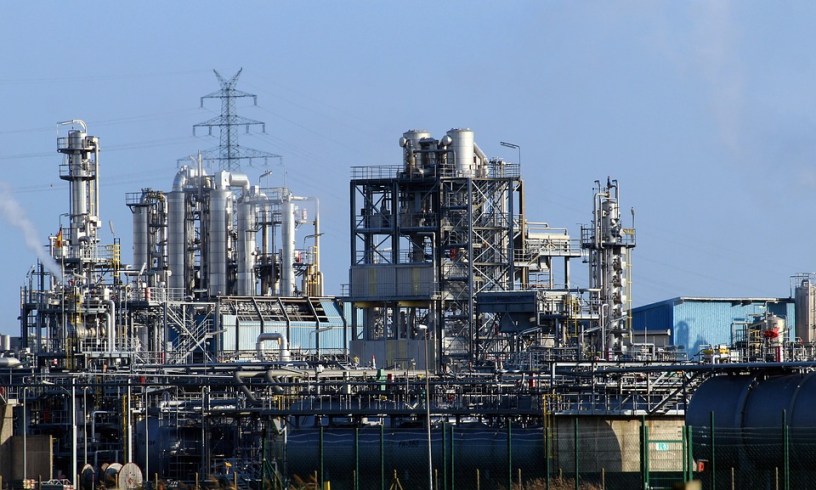
- Industrial Processing: This includes chemical plants, steel mills, and refineries that create intermediate goods used in further manufacturing.
Tertiary Industries: The Service Backbone
Tertiary industries focus on providing services rather than producing tangible goods. They are indispensable in connecting production with consumption.
- Retail and Wholesale Trade: Bridges the gap between manufacturers and consumers.
- Transportation and Logistics: Ensures the smooth flow of goods and services through complex networks.
- Healthcare, Education, and Financial Services: These form the foundation of societal well-being and stability.
Quaternary and Quinary Industries: Knowledge and Influence in Action
In the digital and information age, higher-order sectors have emerged to address complex intellectual and leadership needs.
- Quaternary Sector: Focused on research, information technology, analytics, and knowledge-based services.
- Quinary Sector: Comprises high-level decision-making, leadership roles in government, corporate governance, and non-profit organizations.
The Industrial Timeline: From Craft to Code
The development of industry is often charted across four pivotal revolutions, each marked by technological breakthroughs and shifts in societal structure.
- First Industrial Revolution: Beginning in the late 1700s, this era introduced steam power and mechanized textile production.
- Second Industrial Revolution: The late 19th century saw the rise of electricity, steel, and assembly lines—enabling mass production.
- Third Industrial Revolution: From the 1970s onwards, digital technologies, computing, and automation redefined manufacturing and communication.
- Fourth Industrial Revolution: Today’s landscape is dominated by artificial intelligence, robotics, biotechnology, and the Internet of Things (IoT), fusing the digital, physical, and biological worlds.
The Role of Industries in Economic and Social Development
Beyond output and profits, industries play a profound role in shaping the fabric of societies.
Employment and Income Generation
Industries offer employment opportunities to millions across skill levels—from labor-intensive roles to highly specialized professions. This creates income stability and supports upward mobility.
Urbanization and Infrastructure Growth
Industrial hubs often catalyze the growth of towns and cities, bringing with them roads, power grids, housing developments, and improved healthcare and educational facilities.
Innovation and Technological Spillover
Industrial R&D drives innovation, often leading to technological advancements that benefit wider society, such as renewable energy solutions, medical devices, and transportation innovations.
Global Trade and Interdependence
Industrial output underpins international trade. Countries often specialize in sectors where they hold competitive advantages, fostering global interdependence and cooperation.
Contemporary Challenges Facing Industries
Modern industries operate in a complex environment filled with opportunities and threats that require strategic foresight and adaptability.
- Climate Change and Environmental Degradation: Industrial pollution and resource depletion contribute significantly to global ecological crises.
- Supply Chain Disruptions: The COVID-19 pandemic and geopolitical conflicts have exposed vulnerabilities in global supply networks.
- Workforce Displacement: Automation and digital transformation are reshaping the labor market, rendering certain skill sets obsolete.
- Cybersecurity Risks: Increased reliance on digital infrastructure makes industries susceptible to cyberattacks and data breaches.
- Regulatory and Compliance Pressures: Industries must navigate intricate legal frameworks that vary across regions and sectors.
The Future of Sustainable and Smart Industries
With sustainability and digitization becoming central pillars of industrial strategy, the future of industries is being defined by innovation with conscience.
Key Trends Shaping Industrial Transformation
- Green Manufacturing: Eco-friendly processes, energy-efficient machinery, and waste minimization are being adopted at scale.
- Renewable Energy Integration: Solar, wind, and hydro power are replacing fossil fuels in many industrial operations.
- Circular Economy Models: Reuse, recycling, and sustainable product design are gaining prominence.
- Artificial Intelligence and Big Data: These technologies are improving decision-making, efficiency, and predictive capabilities.
- 3D Printing and Additive Manufacturing: Reducing waste, enabling customization, and shortening production cycles.
Policy and Investment Imperatives
Governments and private sectors must collaborate to support the transition to smarter and more sustainable industrial models.
- Incentivizing Clean Tech: Subsidies and tax breaks can encourage the adoption of green technologies.
- Investing in Education and Reskilling: Preparing the workforce for future roles is essential for inclusive growth.
- Strengthening Cybersecurity Frameworks: Protecting intellectual property and digital operations is vital in a connected economy.
- Promoting Ethical Leadership: Transparency, fairness, and responsibility should be at the core of industrial governance.
Conclusion: Industries at a Crossroads of Purpose and Progress
Industries today stand at a defining moment. Their historical role as engines of economic growth is now paired with a new responsibility—to foster sustainable development, embrace technological inclusivity, and prioritize human welfare. As the world hurtles toward an increasingly interconnected future, the industries that will thrive are those that adapt intelligently, operate responsibly, and innovate boldly. The transformation is not merely about production—it’s about purpose. Reimagining industries through this lens will ensure they remain not just relevant but revolutionary in shaping a prosperous, equitable, and sustainable global society.
 News 24 Business Blog