
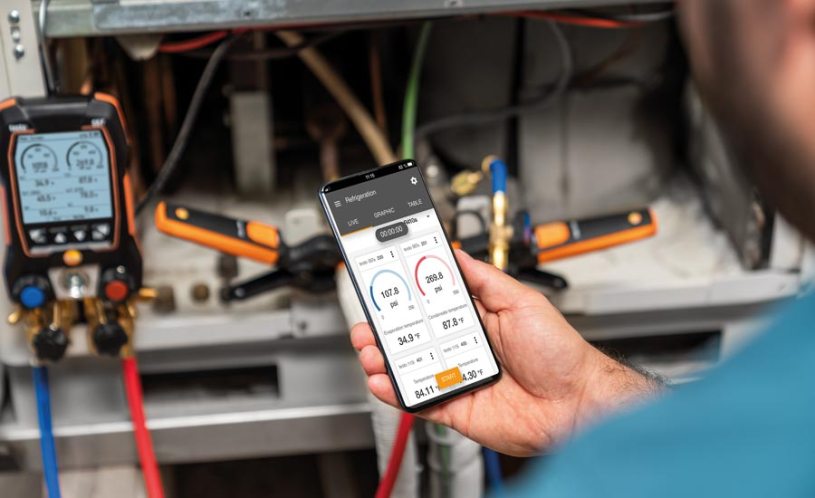
Introduction: Living in a Digitally Defined World
Technology and tools have always played a pivotal role in shaping human history. From the invention of the wheel to the rise of artificial intelligence, each leap in innovation has redefined the boundaries of what humanity can achieve. Today, we stand in an era where digital ecosystems, intelligent automation, and cloud-based platforms serve as the lifeblood of modern society. Yet, these tools are not just about convenience or speed—they reflect our creativity, fuel our industries, and increasingly challenge the way we interact with the world.
In this article, we explore the dynamic interplay between technology and tools, examining how they are transforming personal lifestyles, reconfiguring professional landscapes, and compelling us to navigate a new ethical frontier.
The Evolution of Tools: From Physical Implements to Intelligent Systems
For millennia, tools were simple mechanical aids, enhancing human muscle. A stone axe or a bronze plow increased productivity by leveraging physical effort. With the Industrial Revolution came powered machinery that mechanized tasks at an unprecedented scale. Fast-forward to the 21st century, and the emphasis has shifted from physical power to cognitive support.
Defining Modern Tools
-
Software-Based: Most tools today operate in digital environments—think apps, platforms, and cloud services.
-
AI-Driven: Algorithms not only assist with tasks but learn and evolve based on user behavior.
-
Connected: Tools often work within integrated systems, communicating across networks to deliver seamless experiences.
The Personal Sphere: Enhancing Daily Life with Smart Tools
In everyday life, individuals now rely on a digital toolkit that empowers them to work, learn, relax, and manage their lives more effectively than ever before.
Productivity and Organization
-
Task Management Apps like Todoist and Notion offer users a streamlined way to plan their days, track goals, and collaborate with others.
-
Note-Taking Tools such as Evernote and Obsidian serve as digital brains, capturing thoughts, organizing knowledge, and supporting long-term learning.
-
Virtual Assistants like Siri, Alexa, and Google Assistant manage schedules, send reminders, and even control smart home devices with voice commands.
Health and Wellness
-
Wearable Devices such as Apple Watch and Fitbit monitor activity, sleep, and heart rate, promoting healthier lifestyles.
-
Telehealth Platforms connect patients with doctors, making healthcare more accessible and reducing the need for physical appointments.
-
Mindfulness Apps like Headspace and Calm offer guided meditation and stress-reduction tools tailored to modern mental health needs.
Learning and Creativity
-
E-Learning Platforms including Coursera, Udemy, and Skillshare make acquiring new skills more accessible, affordable, and flexible.
-
Creative Software like Adobe Creative Suite, Canva, and GarageBand allow individuals to design, draw, edit, and compose with professional finesse.
-
AI Content Generators such as ChatGPT assist in brainstorming, writing, coding, and much more—democratizing creativity across disciplines.
Reshaping the Workplace: A Revolution in Professional Tools
The way we work has undergone a fundamental shift, with tools now playing a central role in enhancing productivity, enabling remote collaboration, and optimizing operations.
Communication and Collaboration
-
Video Conferencing Platforms like Zoom and Microsoft Teams have redefined workplace communication, supporting everything from daily stand-ups to global conferences.
-
Project Management Tools such as Asana, Monday.com, and Trello help teams plan, track, and deliver projects with transparency and accountability.
-
Cloud Storage Services like Google Drive and Dropbox provide easy access to files and documents from any device, enhancing workflow continuity.
Data-Driven Decision Making
-
Business Intelligence Tools such as Tableau and Power BI help companies transform raw data into actionable insights, enabling more informed strategies.
-
CRM Platforms like Salesforce and HubSpot offer powerful tools for managing customer relationships and improving service delivery.
-
Marketing Automation tools streamline customer engagement, ensuring the right message reaches the right audience at the right time.
Industry Transformation: Tools Driving Sector-Specific Change
Beyond individuals and offices, modern tools are remapping entire industries—from agriculture and education to healthcare and construction.
Healthcare Innovation
-
AI Diagnostic Tools analyze complex imaging and pathology data to support faster, more accurate diagnoses.
-
Electronic Health Records (EHR) systems improve the coordination of care and facilitate information sharing across providers.
-
Robotic Surgery and Remote Monitoring tools are pushing the boundaries of precision medicine and patient care.
Education’s Digital Renaissance
-
Learning Management Systems (LMS) like Canvas and Moodle support structured online education at every academic level.
-
Interactive Tools including whiteboards, simulations, and quizzes promote engagement and retention in virtual classrooms.
-
AI Tutoring and adaptive learning platforms tailor content delivery to individual learning styles and paces.
Smart Agriculture and Industry
-
Precision Farming Tools use drones, GPS, and sensors to optimize planting, irrigation, and harvesting.
-
Industrial IoT (IIoT) platforms connect machinery and sensors, enhancing maintenance, efficiency, and safety.
-
3D Printing and automation in manufacturing reduce waste and accelerate prototyping and production cycles.
Ethical Considerations: The Power and Responsibility of Digital Tools
With the increasing influence of technology, ethical questions inevitably arise. How much control do we hand over to algorithms? Are these tools widening or narrowing social inequality?
Key Challenges
-
Data Privacy: Many tools collect vast amounts of personal and behavioral data, raising concerns about consent and misuse.
-
Digital Divide: Access to advanced tools and internet connectivity remains uneven, reinforcing existing societal gaps.
-
Human Dependency: Over-reliance on tools can dull critical thinking, creativity, and interpersonal skills.
Moving Toward Ethical Tech
-
Emphasize transparent design, so users understand how tools work and what data is used.
-
Promote inclusive innovation, ensuring that technology reaches underserved communities.
-
Encourage human oversight, ensuring that tools assist but never override human judgment or compassion.
The Road Ahead: Tomorrow’s Tools, Today’s Mindset
Looking to the future, the next generation of tools will likely be more immersive, intelligent, and indistinguishable from the environments in which they operate. Virtual reality, neural interfaces, and ambient computing will change the way we interact with information, with each other, and with the world.
What to Expect
-
Ambient Intelligence: Devices that sense, respond, and adapt to our needs without being overt.
-
Neural Interfaces: Tools that allow direct communication between the brain and digital systems.
-
Sustainable Technologies: Eco-conscious tools designed with minimal environmental impact.
Conclusion: Tools as Reflections of Human Potential
Technology and tools are not just conveniences—they are expressions of our desires to improve, connect, and imagine. As they continue to evolve, they present both opportunities and responsibilities. It’s not just about what tools can do for us, but what we choose to do with them.
Harnessed thoughtfully, these innovations can elevate our lives, refine our industries, and ensure that progress remains a shared journey. In this interconnected era, the true power of technology lies not in its code or circuitry, but in its capacity to serve human purpose with clarity, integrity, and imagination.
 News 24 Business Blog