
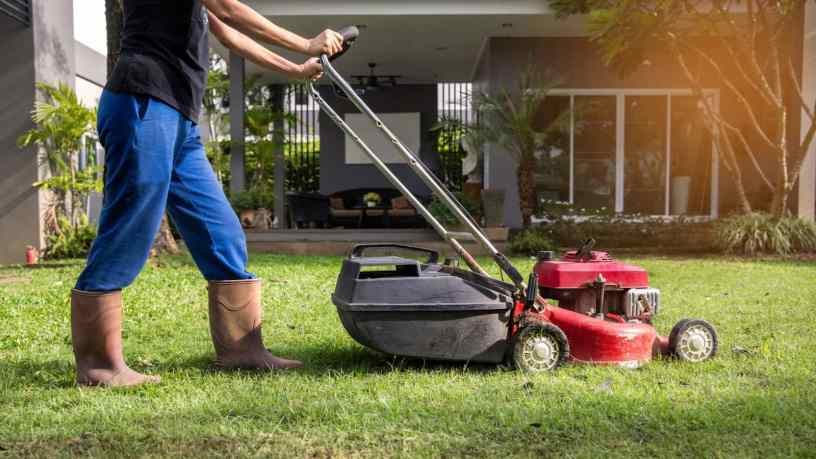
Grounds are the first thing anyone sees and the last thing most organisations budget for properly. A well-kept frontage signals competence before a visitor reaches the door; an overgrown one suggests that if this is neglected, other things probably are too. Beyond appearance, grounds carry real obligations around safety, drainage and pest control. Comprehensive Landscape Services cover a wider range than most property managers realise, and understanding the scope makes it easier to specify what you actually need.
What the Category Covers
Routine maintenance is the visible core, mowing, edging, hedge trimming, weeding, pruning of shrubs, fertilising and litter clearance on a defined cycle. Arboricultural work is a separate discipline covering tree inspection, pruning, deadwood removal and felling. Turf management applies specialist agronomy to lawns and sports surfaces. Softscape installation covers planting design and establishment. Hardscape work involves paths, edging, drainage and irrigation. Seasonal and reactive work handles storm clearance and pest response. Few properties need all of these at the same intensity, which is why a clear scope matters.
Frequency Drives Everything
In a climate with year-round growth, the interval between visits determines the result more than any single technique. Grass cut weekly stays dense and healthy; grass cut monthly gets scalped at each visit, thins, and lets weeds establish. Hedges trimmed regularly hold shape; hedges left to run require hard cutting back into old wood, which looks poor for a season. Reducing frequency to save money almost always costs more in restoration, which is the calculation property managers most often get wrong.
Turf Condition Reflects the Whole Site
Lawn problems are usually symptoms of something else. Thin grass under a tree canopy is a light problem, not a mowing problem. Persistent wet patches indicate drainage or compaction, often along the route machinery takes every visit. Yellowing in defined areas may reflect nutrient deficiency or an irrigation fault. A contractor who simply mows will repeat the same circuit indefinitely; one providing genuine landscape maintenance will identify the underlying cause and propose aeration, canopy work or drainage correction instead of treating the symptom monthly.
Trees Need Different Expertise
Grounds crews and arborists are not interchangeable. Tree work involves structural assessment, climbing, rigging and regulatory compliance, and it carries considerably higher risk. A landscaping company without arboricultural capability will either subcontract or, worse, attempt work beyond its competence topping being the classic example, which damages trees and creates hazards that surface a few years later. Where a property has mature trees, confirming that capability exists in-house is worth doing before signing anything.
Safety and Liability
Ground condition carries legal weight where the public or employees have access. Long grass hides uneven surfaces, drain covers and debris. Overhanging branches obstruct sightlines at junctions and driveways. Deadwood above a walkway is a drop hazard. Slippery algae on paths causes falls. A documented maintenance schedule with dated visit records is a straightforward risk control, and it is the evidence insurers and lawyers ask for after an incident. Contractors should be logging attendance and observations as standard.
Pest and Health Considerations
Overgrown ground provides harbourage for rodents and snakes, and standing water in blocked drains, plant saucers and neglected containers creates mosquito breeding sites. In a region where vector-borne illness is a genuine public health concern, and where enforcement action is possible, this moves grounds maintenance from an aesthetic service to a compliance one. Regular cutting and clearance removes the habitat itself, which is more effective and cheaper than treating the symptoms repeatedly.
Judging a Contractor
Confirm registration, public liability insurance with an appropriate limit, and workers’ compensation cover. Ask whether crews are directly employed, since consistency of personnel produces consistency of result. Ask about arboricultural qualifications if you have trees. Request a specification listing areas, tasks per visit and frequency rather than accepting a general description. Ask for references from properties comparable to yours and call them, focusing on consistency over time and responsiveness when something went wrong.
Reporting and Accountability
The simplest mechanism for keeping standards up is a short written record of each visit, date, areas covered, work completed and any issues observed. It takes a contractor minutes, it makes performance visible, and it creates the documentation you need for insurance and compliance purposes. Patterns of shortened or missed visits show up in the log long before they become obvious on the ground, which allows a conversation while the situation is still recoverable.
Coordinating the Whole Site
Grounds function as one system. Canopy density affects turf below. Roots affect paving and mowing. Drainage affects everything. Bringing these under one coordinated schedule including periodic tree pruning alongside routine maintenance reduces total visits, prevents machinery damage to trunks, and gives one party responsibility for the condition of the property as a whole. That single point of accountability is usually what turns adequate grounds into good ones.
For properties that have been neglected for a period, it is worth treating the first few months as a restoration phase with its own scope and budget rather than expecting a routine contract to absorb it. Bringing overgrown grounds back into condition involves work that will not recur hard cutting back, clearing accumulated debris, dealing with deferred tree work, relieving compaction and folding it into a monthly maintenance price either inflates that price permanently or guarantees the work never quite happens.
 News 24 Business Blog