
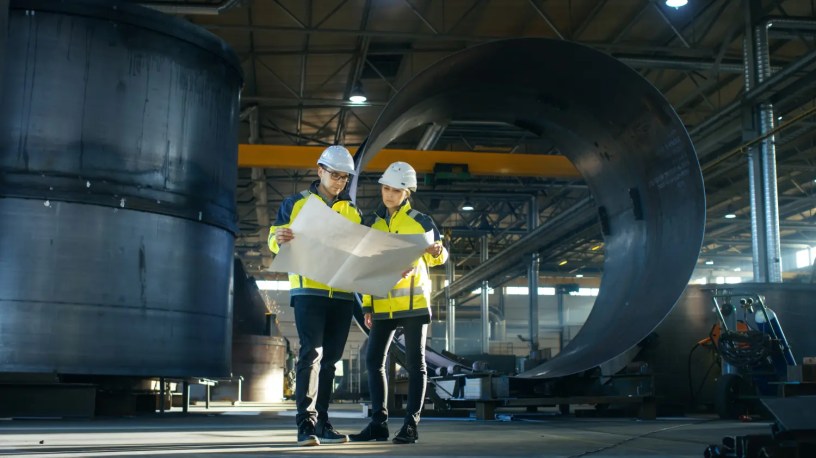
Introduction: The Backbone of Civilization
Industries form the very foundation of contemporary civilization. They are the conduits through which raw potential transforms into tangible value, shaping societies, enabling economic growth, and fostering technological advancement. From the first steam-powered machines to the artificial intelligence of the digital era, industries have continually evolved to meet the changing demands of humanity. This article delves deep into the multifaceted world of industries, exploring their classifications, historical evolution, socioeconomic impact, and the challenges and innovations that define their future.
Understanding the Major Classifications of Industries
Industries are generally categorized based on the nature of their operations and the resources they engage with. Each type plays a specific role in the economic ecosystem.
Primary Industries
These involve the direct extraction of natural resources and are the oldest form of industrial activity. They are indispensable in supplying the raw materials needed for other industrial processes.
- Agriculture and Farming: Vital for food production and raw materials like cotton and wool.
- Forestry: Supplies timber and contributes to biodiversity preservation.
- Fishing: An essential sector for food and nutrition security, particularly in coastal regions.
- Mining and Quarrying: Provides metals, minerals, and fossil fuels essential for construction and manufacturing.
Secondary Industries
These industries convert raw materials from the primary sector into finished or semi-finished products.
- Manufacturing: Includes textile mills, automobile factories, electronics, pharmaceuticals, and more.
- Construction: Encompasses building infrastructure, including roads, bridges, and urban development projects.
- Heavy Industry: Involves large-scale operations such as shipbuilding, steel production, and machinery manufacturing.
Tertiary Industries
These are service-based industries that support both primary and secondary sectors and cater directly to consumers.
- Retail and Wholesale Trade: Distributes goods produced by manufacturers to consumers.
- Transport and Logistics: Ensures smooth movement of goods and services.
- Finance and Insurance: Provides capital and risk management mechanisms.
- Tourism and Hospitality: Boosts economic activity through travel-related services.
Quaternary and Quinary Industries
As knowledge and innovation become central to growth, two additional sectors have gained prominence.
- Quaternary Industry: Focused on research, development, information technology, and consultancy.
- Quinary Industry: Comprises high-level decision-making roles such as CEOs, government leaders, and senior academics.
The Historical Arc: How Industries Shaped Human Advancement
The industrial journey is intricately linked to human history. Each era of industrial development has redefined how societies operate.
- The First Industrial Revolution (late 18th century): Sparked by mechanization and steam engines, this period revolutionized textile production and transportation.
- The Second Industrial Revolution (late 19th century): Electricity, steel, and mass production techniques transformed cities and economies.
- The Third Industrial Revolution (mid-20th century): Introduced computers, automation, and electronics, dramatically enhancing productivity.
- The Fourth Industrial Revolution (current era): Driven by AI, robotics, biotech, and digital connectivity, it blurs the lines between physical and digital realms.
Industries as Pillars of Economic Growth
Modern economies thrive on the contributions of industries. Their impact is not merely financial but profoundly structural and cultural.
Employment and Livelihood
Industries generate millions of jobs globally. From factory floors to executive suites, industrial sectors provide income and stability to diverse demographics.
Urbanization and Infrastructure
Industrial growth often leads to urban expansion. Cities flourish around industrial hubs, bringing with them housing, education, healthcare, and civic amenities.
Technological Advancement
R&D investment from industries leads to innovations that spill over into daily life—from smartphones to electric vehicles and clean energy solutions.
Global Trade and Connectivity
Industries are central to globalization. Products and services created in one country are consumed in another, connecting cultures and creating mutual economic dependence.
The Sustainability Mandate: Greening Industrial Growth
As environmental degradation intensifies, industries face growing pressure to operate sustainably. The shift is not just ethical—it is also strategic.
- Renewable Energy Integration: Industries are increasingly adopting solar, wind, and hydro power to reduce carbon emissions.
- Waste Reduction and Recycling: Circular economy principles are replacing traditional linear models of production and disposal.
- Green Certifications and Compliance: Certifications like LEED, ISO 14001, and ESG frameworks are becoming standard expectations.
- Eco-Innovation: Biodegradable materials, waterless dyeing in textiles, and energy-efficient manufacturing are examples of sustainable ingenuity.
Digital Transformation and Industry 4.0
Digital technology is not merely enhancing industries; it is reinventing them. The fourth industrial revolution introduces unprecedented integration between human intellect and machine capability.
- Artificial Intelligence (AI): Facilitates predictive maintenance, quality control, and customer service automation.
- Internet of Things (IoT): Connects devices across production lines, improving efficiency and real-time decision-making.
- 3D Printing: Enables cost-effective prototyping and localized manufacturing.
- Cloud Computing: Offers scalable storage and computing power for data-driven operations.
- Cybersecurity: As systems become interconnected, protecting intellectual property and operational integrity is paramount.
Challenges Facing Modern Industries
While industries offer vast potential, they are not without challenges. Addressing these issues is critical to sustaining progress.
- Supply Chain Vulnerabilities: Global disruptions—from pandemics to geopolitical tensions—have exposed the fragility of supply chains.
- Labor Displacement: Automation and AI threaten to replace low-skill jobs, necessitating workforce reskilling.
- Regulatory Hurdles: Industries often grapple with overlapping and evolving regulations across borders.
- Environmental Impact: Balancing growth with ecological responsibility remains an ongoing dilemma.
- Cyber Threats: Digital dependence increases exposure to data breaches, ransomware, and espionage.
Industries and Human Capital Development
Behind every industrial transformation lies the contribution of skilled and adaptive human talent. Investing in people is as crucial as investing in technology.
- Education and Training: Vocational programs, STEM education, and upskilling initiatives ensure workforce readiness.
- Diversity and Inclusion: Inclusive workplaces enhance creativity, problem-solving, and employee satisfaction.
- Health and Safety: Modern industries prioritize the physical and mental well-being of their workforce.
- Leadership Development: Strategic thinking and ethical leadership are vital in steering organizations through complexity.
Conclusion: Charting the Industrial Future with Responsibility and Innovation
Industries are not static monoliths; they are dynamic entities that reflect the ambitions and anxieties of their time. As the world grapples with climate change, technological disruption, and social inequities, the role of industries becomes even more pivotal. The industries of tomorrow must be resilient, ethical, and intelligent—designed not only for profit but for purpose. If guided thoughtfully, industries will continue to be humanity’s most powerful instruments for progress, enabling societies to thrive in an ever-evolving global landscape.
 News 24 Business Blog